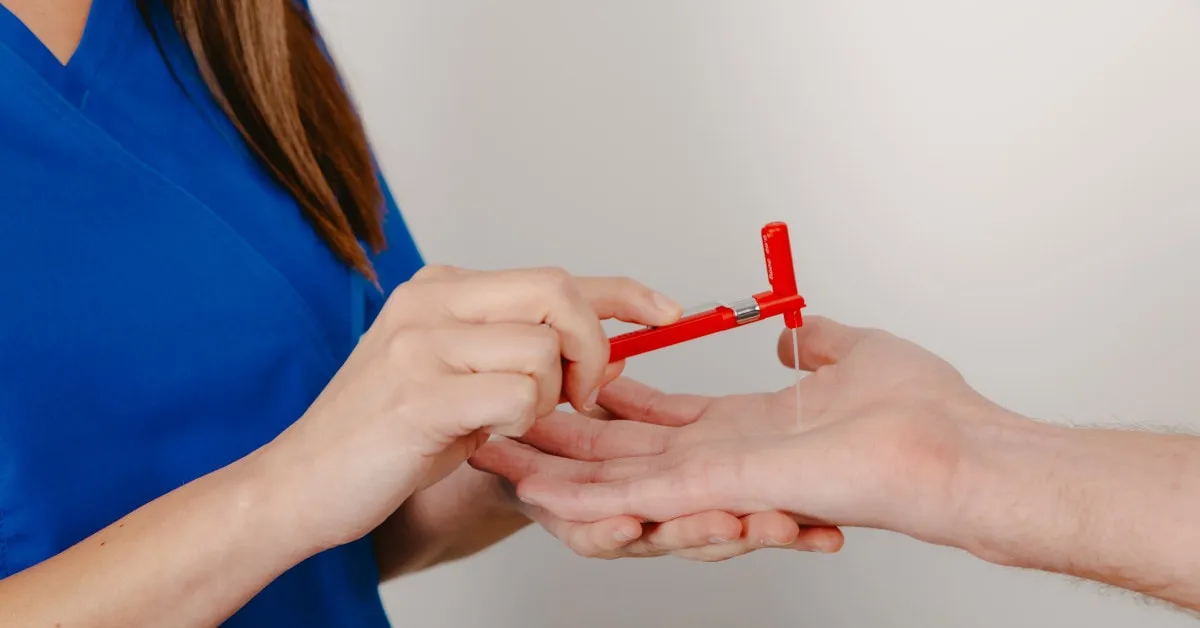
Carpal tunnel syndrome (CTS) is the most common nerve entrapment condition in the upper limb and is approximately three times more common in women than men, with peak incidence between the ages of 45 and 64 (NICE CKS). It occurs when the median nerve becomes compressed as it passes through the carpal tunnel at the wrist, causing tingling, numbness and pain in the hand and fingers. Many patients also experience pain in the forearm and arm. If you have been experiencing these symptoms, particularly at night, carpal tunnel syndrome may be the cause. The good news is that it is a highly treatable condition, especially when caught early.
-
Yes. Although the classic symptoms of carpal tunnel syndrome affect the thumb, index, middle and half of the ring finger, many patients also experience pain that radiates into the forearm and sometimes the upper arm. If your pain is predominantly in the forearm or arm rather than the hand, a specialist assessment can determine whether carpal tunnel syndrome is the correct diagnosis or whether another nerve compression may be involved.
-
Symptoms resolve without treatment in approximately one in three people within six months of diagnosis (Futami et al, 1997), though spontaneous recovery is less likely with age and with symptoms affecting both hands. For the majority, some form of treatment is needed. Early treatment with splinting, activity modification and Hand Therapy is associated with better outcomes and can often prevent the need for surgery.
-
Night symptoms are common because the wrist tends to flex during sleep, increasing pressure on the median nerve. A wrist splint worn at night holds the wrist in a neutral position and can significantly reduce nighttime tingling and pain. Avoiding sleeping with your wrists bent can help while you wait for an appointment.
-
Splinting is one of the most effective non-operative treatments for carpal tunnel syndrome. A splint holds the wrist in a neutral position, reducing pressure on the median nerve. Splints are typically worn at night. A custom, thermoplastic splint fabricated by a Hand Therapist is shaped precisely to your wrist for optimal fit and effectiveness.
-
Carpal tunnel release is typically a day-case procedure performed under local anaesthetic. Recovery varies, but most patients return to light activities within one to two weeks. Grip strength recovery can take longer. Post-surgical Hand Therapy is important to optimise the outcome.
-
Without treatment, carpal tunnel syndrome tends to progress. Intermittent tingling can develop into constant numbness and significant hand weakness. In severe or longstanding cases, the muscles at the base of the thumb can waste away, a change that may be difficult or impossible to reverse even with successful treatment. Early intervention is important.
-
Post-surgical Hand Therapy can significantly improve the outcome following carpal tunnel release. Treatment focuses on scar management, reducing sensitivity plus restoring grip and pinch strength needed for returning to full hand function. Your Hand Therapist will work with you from the early post-operative stage.
-
The most effective non-surgical approach combines night splinting to hold the wrist in a neutral position, activity modification to reduce the movements that aggravate symptoms and specific nerve and tendon gliding exercises prescribed by a Hand Therapist. These measures can produce significant improvement, particularly when started early.
The carpal tunnel
The carpal tunnel is a narrow channel on the palm side of your wrist, formed by the wrist bones (carpals) on three sides and a thick ligament (the flexor retinaculum) across the top. Nine flexor tendons and the median nerve pass through this tunnel into the hand.
When the contents of the tunnel become compressed due to swelling, inflammation or a change in the tunnel’s shape, the median nerve is squeezed and the characteristic symptoms of carpal tunnel syndrome follow.
How carpal tunnel syndrome develops
CTS does not always have a single clear cause. It is usually the result of a combination of factors that increase pressure within the carpal tunnel:
- Repetitive hand and wrist use: repeated wrist flexion or the use of vibrating hand tools at work or at home.
- Sustained wrist positions: sleeping with bent wrists or prolonged keyboard and mouse use.
- Medical conditions: diabetes, thyroid disorders, rheumatoid arthritis and kidney disease are all associated with CTS.
- Hormonal changes: fluid retention during pregnancy or the menopause can increase pressure within the tunnel.
- Wrist anatomy: previous wrist fractures, dislocations or a naturally narrow tunnel.
- Age and sex: CTS is approximately three times more common in women than men, with peak incidence between the ages of 45 and 64, though it can affect anyone.
Symptoms of carpal tunnel syndrome
The median nerve supplies sensation to the thumb, index finger, middle finger and half of the ring finger. Symptoms of CTS typically affect these fingers and may include:
- Tingling and numbness in the thumb, index, middle and ring fingers - often described as pins and needles.
- Pain in the hand, wrist or forearm, sometimes radiating up the arm.
- Night symptoms: waking at night with tingling or pain, often relieved by shaking or hanging the hand over the side of the bed.
- Weakness in grip or pinch making fine tasks such as doing up buttons, holding a cup or turning a key more difficult.
- Dropping objects due to reduced strength or sensation in the hand.
- Clumsiness: a general sense of the hand not working as well as it should.
Symptoms are often worse at night and during activities that involve holding the wrist in a flexed position such as driving, reading or using a phone.
If you are being woken by tingling or pain in your hand, a wrist splint worn at night can provide significant relief by holding the wrist in a neutral position. Avoid sleeping with your wrists bent. An off-the-shelf night splint can help while you wait for a specialist assessment.
Forearm and arm pain in carpal tunnel syndrome
Many patients with carpal tunnel syndrome experience pain that extends beyond the hand into the forearm and sometimes the upper arm. This can be caused by irritation of the median nerve as it passes through the carpal tunnel, with pain radiating up the nerve pathway. Forearm aching, a sensation of tightness or a dull pain in the arm are all reported by patients with confirmed CTS.
However, if your symptoms are predominantly in the forearm or arm rather than the hand, it is worth considering whether carpal tunnel syndrome is the correct diagnosis. Other nerve compressions along the arm or at the neck can produce forearm and arm pain that is sometimes attributed to CTS. A specialist assessment with a Hand Therapist can differentiate between these conditions and ensure your treatment is targeted at the correct structure.
Progression without treatment
Symptoms of CTS resolve without treatment in approximately one in three people within six months of diagnosis, though spontaneous recovery is less likely with increasing age and with bilateral symptoms (Futami et al, 1997; Padua et al, 2001). For the majority, CTS tends to progress without treatment. Mild symptoms that begin as intermittent tingling can worsen to constant numbness and significant hand weakness. In severe or longstanding cases, the muscles at the base of the thumb (the thenar muscles) can waste away. This is a change that may be difficult or impossible to reverse even with successful treatment.
Early intervention is important. Good prognostic indicators include a short duration of symptoms and younger age. Treatment started promptly can produce significant improvement and prevent progression to more severe disease.
Diagnosis
Diagnosis is primarily clinical, based on your history and a physical examination. A Hand Therapist or doctor will assess your symptoms and perform a number of clinical tests:
| Test | What it involves | What it indicates |
|---|---|---|
| Phalen's test | Holding the wrist in a flexed position for up to 60 seconds | Tingling in the fingers suggests median nerve compression |
| Durkan's test | Direct pressure applied over the carpal tunnel for up to 30 seconds | Reproduction of symptoms confirms compression at the carpal tunnel |
| Tinel's sign | Tapping over the carpal tunnel at the wrist | Tingling in the fingers indicates nerve irritation |
These tests combined with a detailed symptom history are usually sufficient to confirm the diagnosis. In some cases, further investigations may be recommended:
- Nerve conduction studies (NCS): the most objective test, measuring the speed of electrical signals through the median nerve.
- Ultrasound: can assess the size of the median nerve and identify swelling.
- MRI: used in complex or atypical cases to examine the tunnel contents in detail.
Treatment options
Non-surgical treatment
For mild to moderate CTS, non-operative treatment is the recommended first approach. The majority of patients respond well without the need for surgery.
Splinting is one of the most effective non-operative treatments for carpal tunnel syndrome. A wrist splint holds the wrist in a neutral position, preventing the compression of the median nerve that occurs when the wrist flexes. This is particularly important at night, when the wrist naturally bends during sleep and symptoms are often at their worst.
Most patients begin with a night splint and wear it consistently for a recommended period before reassessing. A custom, thermoplastic splint fabricated by a Hand Therapist is shaped precisely to your wrist for optimal fit, comfort and effectiveness. Off-the-shelf splints are available from pharmacies and can be a useful interim option while waiting for a specialist assessment, though they do not offer the same level of precision.
Therapeutic exercises including tendon gliding and nerve gliding techniques help to improve the movement of the flexor tendons and median nerve through the carpal tunnel, reducing friction and neural tension. Ms Razo will prescribe a specific exercise programme tailored to your presentation.
Activity modification & ergonomic advice forms an important part of management. This includes identifying and reducing the activities and postures that aggravate your symptoms, advice on workstation setup and keyboard positioning and guidance on how to modify daily tasks to protect the wrist.
Corticosteroid injection into the carpal tunnel can provide temporary relief by reducing inflammation. This is typically performed by a doctor and can be a useful treatment in its own right or as a bridge to other management.
Ms Razo’s approach focuses on non-operative management first. Many patients with mild to moderate carpal tunnel syndrome improve with splinting, exercises and activity modification alone. Injection or surgery is considered when non-operative treatment has not achieved sufficient improvement.
Surgical treatment
If non-operative treatment has not provided sufficient relief, or in cases of severe CTS with significant muscle weakness or wasting, surgical decompression (carpal tunnel release) may be recommended. This is a common and generally very effective procedure, performed as day surgery under local anaesthetic.
The surgery involves dividing the flexor retinaculum, the ligament forming the roof of the carpal tunnel, to relieve pressure on the median nerve. It can be performed as an open procedure or endoscopically under local anaesthetic. Most patients return to light activities within one to two weeks, though grip strength recovery can take longer. Post-surgical Hand Therapy is important to optimise recovery of strength and function following the operation.
Carpal tunnel syndrome treatment in Belfast
Ms Razo specialises in the diagnosis and non-operative management of carpal tunnel syndrome, offering:
- Custom splint fabrication for night use
- A tailored exercise programme including nerve and tendon gliding
- Activity modification and ergonomic advice
- Scar management and desensitisation following surgery
- Grip and pinch strength rehabilitation
- Guidance on returning to work and daily activities
If you are experiencing symptoms of carpal tunnel syndrome, early specialist assessment is important. Book a consultation or contact the clinic to discuss your symptoms.